Last updated:
Commercial leak detection covers the same buried pipes as a house, but with more to work around: tenants, trading hours, more than one supply, and longer pipe runs across yards and car parks. The approach is the same. Confirm the loss on the meter, isolate each part of the system, then locate the leak from the surface before anything is dug.
Landlords and letting agents
A high bill at a rented house or flat usually lands with the tenant first, but the supply pipe belongs to the owner. Severn Trent‘s rules put the pipe from the boundary to the building on the property owner, even where it crosses other land. A written report showing where the leak was, and that it has been fixed, helps sort out the bill and gives you a record for the property file.
Shops and small sites
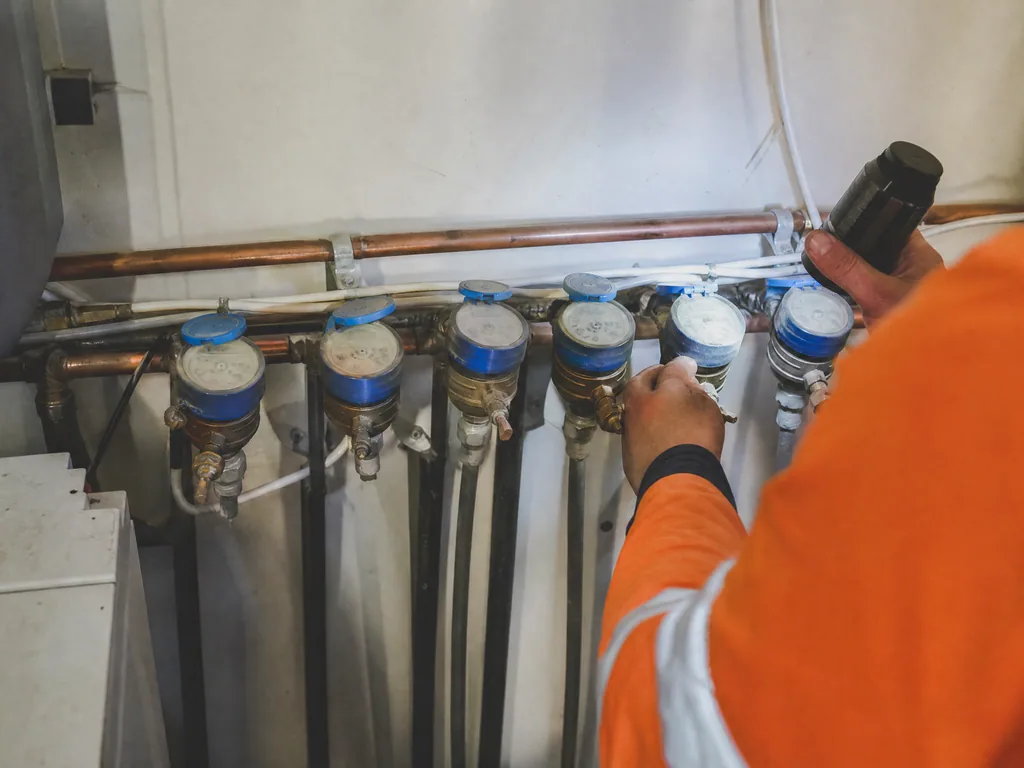
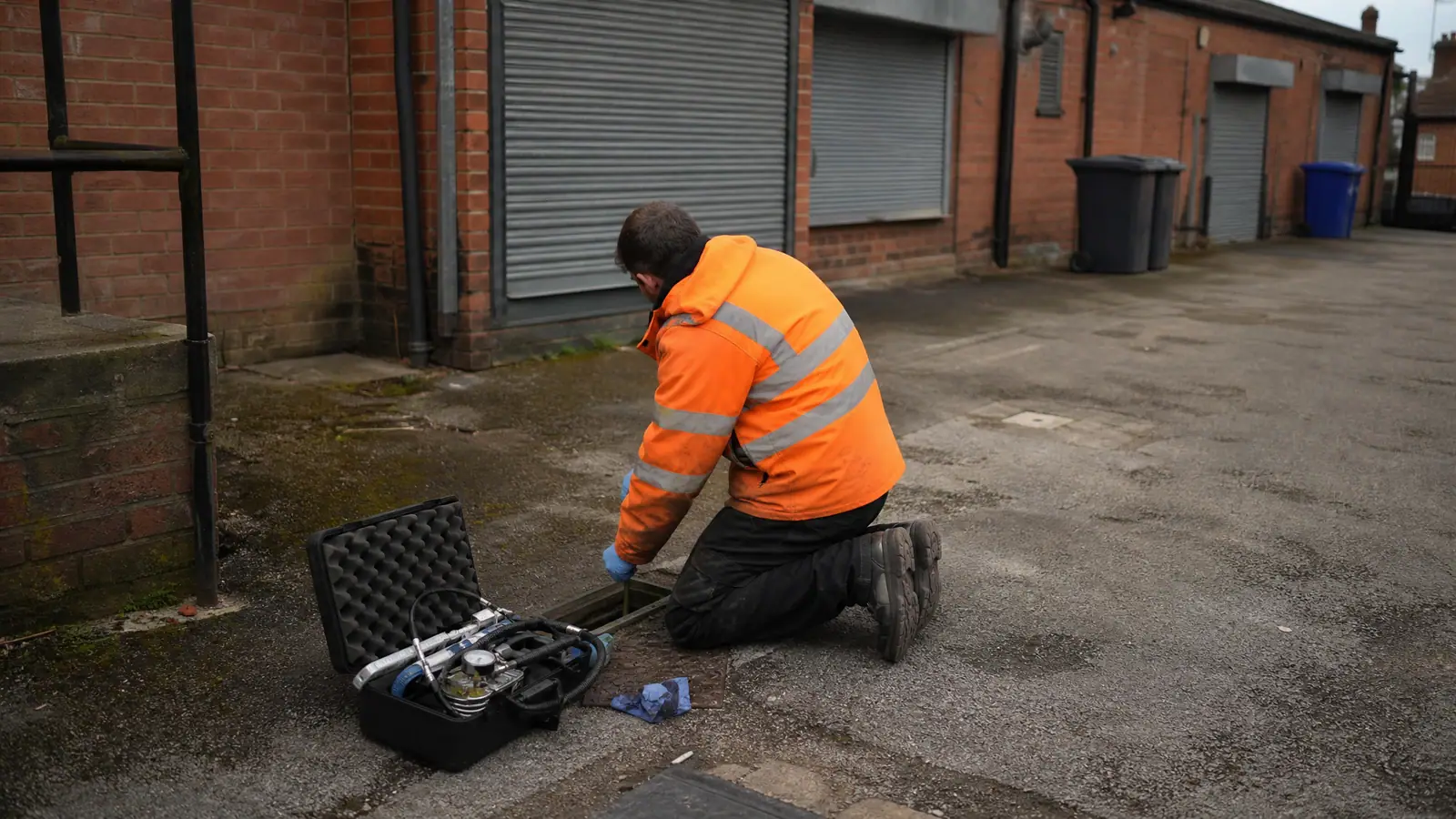
Where a site has several buildings or sub-meters, each part is isolated and flow-tested in turn to find which one is losing water. The leak is then located with underground water leak detection, or trace and access if it is under a floor and an insurance claim is likely.
Visits are timed within our hours, 9am to 7pm, 7 days a week, to cause the least disruption.
What's included
- Visit timed around tenants or trading hours
- Meter and sub-meter flow tests
- Isolation of each supply and building
- Pipe routes traced across the site
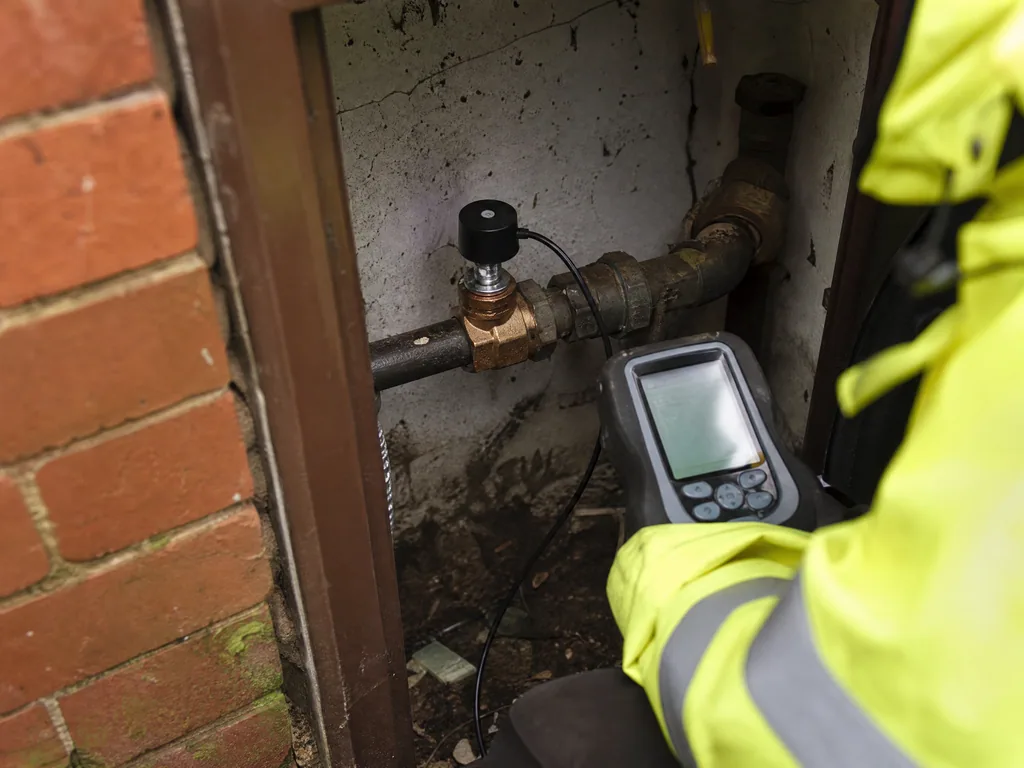
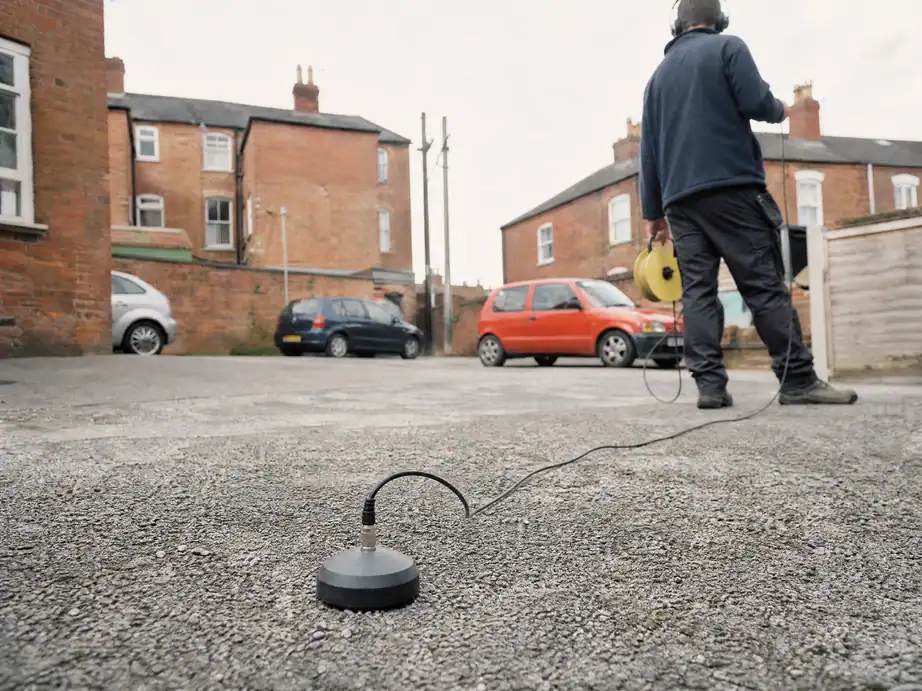
- Leak located with acoustic or tracer gas equipment
- Leak marked and photographed
- Written report for the owner, agent or insurer
- Repair or replacement options, priced
How the options compare
Disruption
- Do it yourself
- Trial and error
- Dig-and-hope operator
- Digging during trading
- Proper leak detection
- Visit timed to suit the site
Multiple supplies
- Do it yourself
- Confusing
- Dig-and-hope operator
- Checked one by one, slowly
- Proper leak detection
- Isolated and tested in turn
Records
- Do it yourself
- None
- Dig-and-hope operator
- An invoice
- Proper leak detection
- Report for owner, agent and insurer
Water charges
- Do it yourself
- Paid in full
- Dig-and-hope operator
- Paid in full
- Proper leak detection
- Evidence for an allowance through your retailer