Last updated:
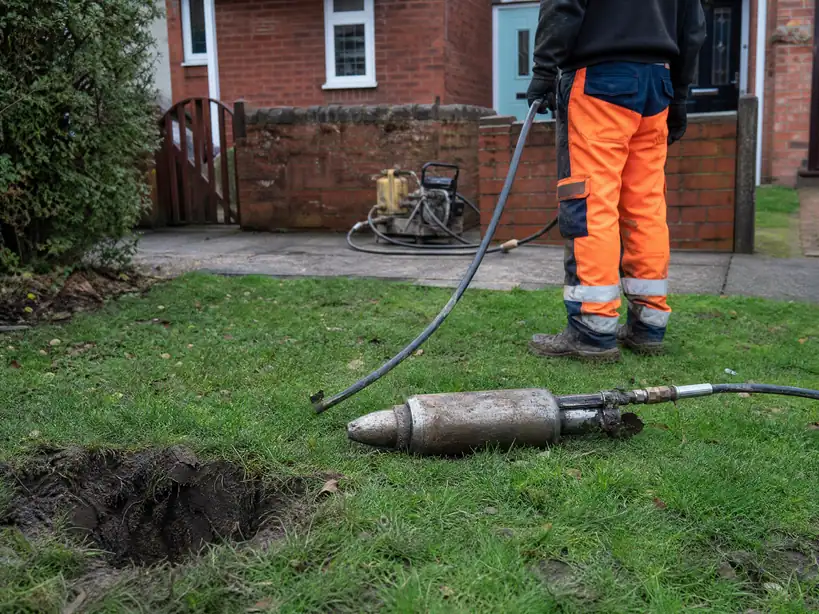
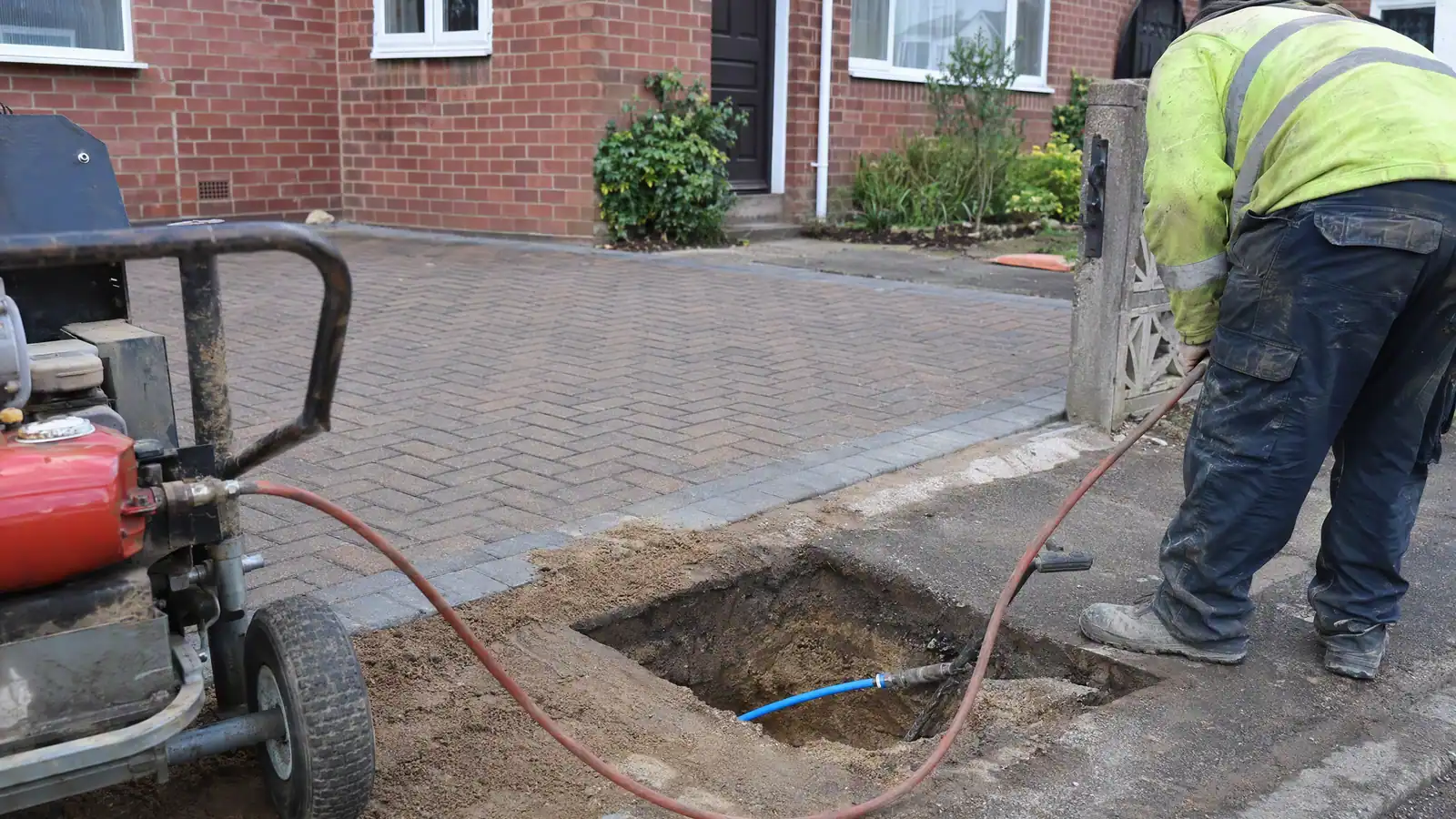
Water pipe moling is the trenchless way to lay a new supply pipe. A pneumatic mole, a torpedo-shaped tool driven by compressed air, pushes through the ground from one pit to another and pulls the new pipe in behind it. The drive, path, patio or lawn between the two pits isn’t touched.
It is the usual choice for water supply pipe replacement and lead pipe replacement where the old pipe runs under a hard surface.
How a moling job runs
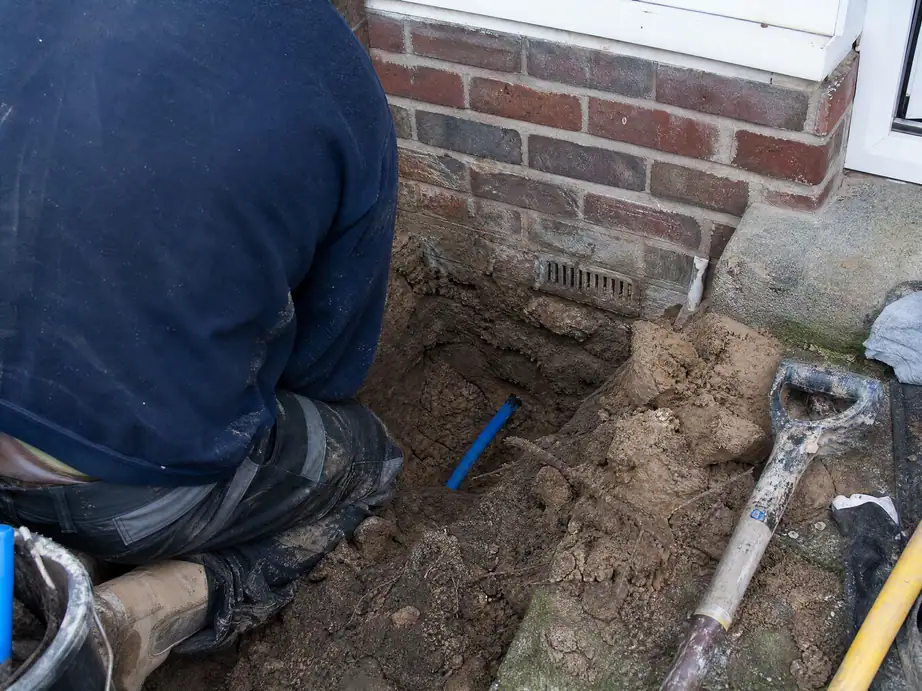
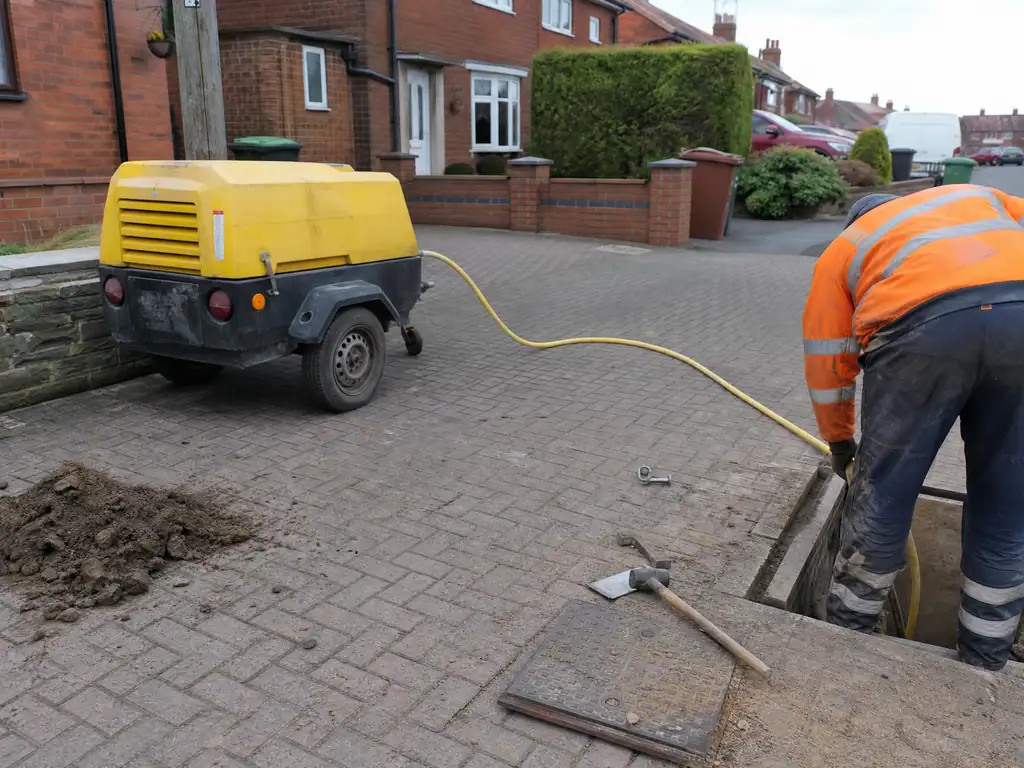
A launch pit is dug at one end of the route, near the boundary stop tap, and a receiving pit at the other, near where the pipe enters the house. Both go to the depth the pipe will be laid at, between 750mm and 1,350mm below finished ground level under the Water Supply (Water Fittings) Regulations 1999.
The mole is set up in the launch pit, lined up on the receiving pit, and driven through. New blue MDPE pipe is pulled through the hole it makes. The pipe is then connected at both ends with approved fittings and pressure-tested before the pits are backfilled.
When moling works, and when it doesn’t
Moling works best in ground the mole can push through evenly. It struggles with:
- large stones, brick rubble and old foundations, which can deflect the mole off line;
- tree roots and other buried services on the route;
- very long runs, or runs that need to change direction.
Other buried services, such as gas, electricity and drains, are located before the mole runs, so it is not driven blind. The survey tells you whether moling is realistic before you commit. If it isn’t, the fallback is an open trench, priced alongside.
What it costs
Checkatrade lists moling in Nottinghamshire at £1,200–£3,000+. A trench can look cheaper on paper, but once you add lifting and relaying block paving or patching tarmac, moling often comes out level or ahead. What moling a water pipe costs sets out the factors.
What's included
- Survey of the route, surfaces and ground
- Other buried services located before moling
- Launch pit and receiving pit dug to depth
- Mole run between the pits pulling new MDPE pipe
- Connection at the boundary and internal stop tap
- Pressure test before the pits are backfilled
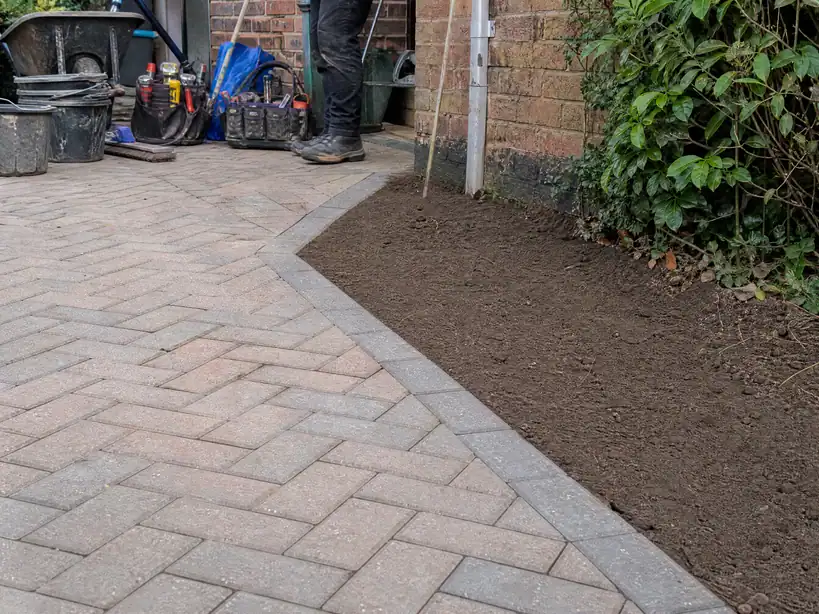
- Pits backfilled and surfaces put back
- Record of the new pipe route
How the options compare
Surface disturbed
- Do it yourself
- Whole route dug by hand
- Dig-and-hope operator
- Whole route trenched
- Proper leak detection
- Two small pits
Block paving or tarmac
- Do it yourself
- Lifted and relaid
- Dig-and-hope operator
- Lifted and relaid
- Proper leak detection
- Left in place
Depth
- Do it yourself
- Whatever you manage
- Dig-and-hope operator
- Not always checked
- Proper leak detection
- 750mm–1,350mm
Other services
- Do it yourself
- Risk of hitting them
- Dig-and-hope operator
- Sometimes checked
- Proper leak detection
- Located before the mole runs