Last updated:
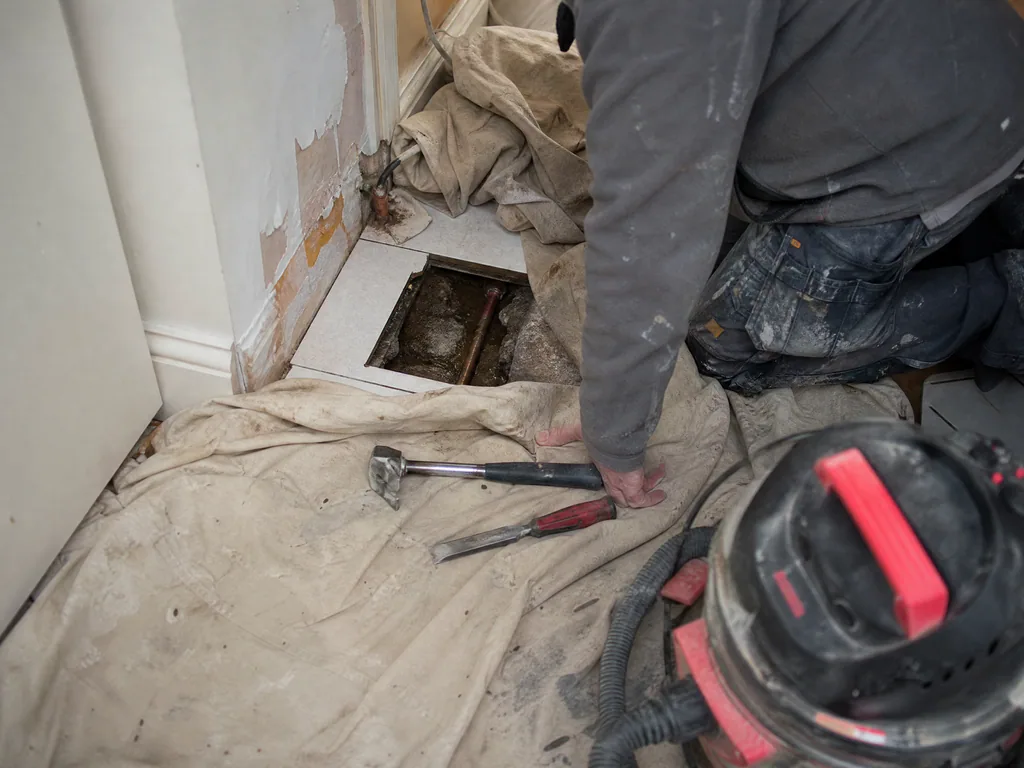
Trace and access is the insurance term for finding a hidden leak and getting to it. Many buildings insurance policies include it, as part of or alongside escape of water cover. It pays to locate the leak and open up the floor, wall or ground to reach it, plus making good the damage caused doing so. The repair to the pipe itself usually isn’t covered.
For a local price comparison, trace and access in Nottingham is published from £495.
Why the tracing method matters to the claim
A leak under a floor, behind a wall or under a drive can be found in two ways: by opening things up until it appears, or by locating it from the surface first. The second usually means less to put right afterwards, for you and for your insurer.
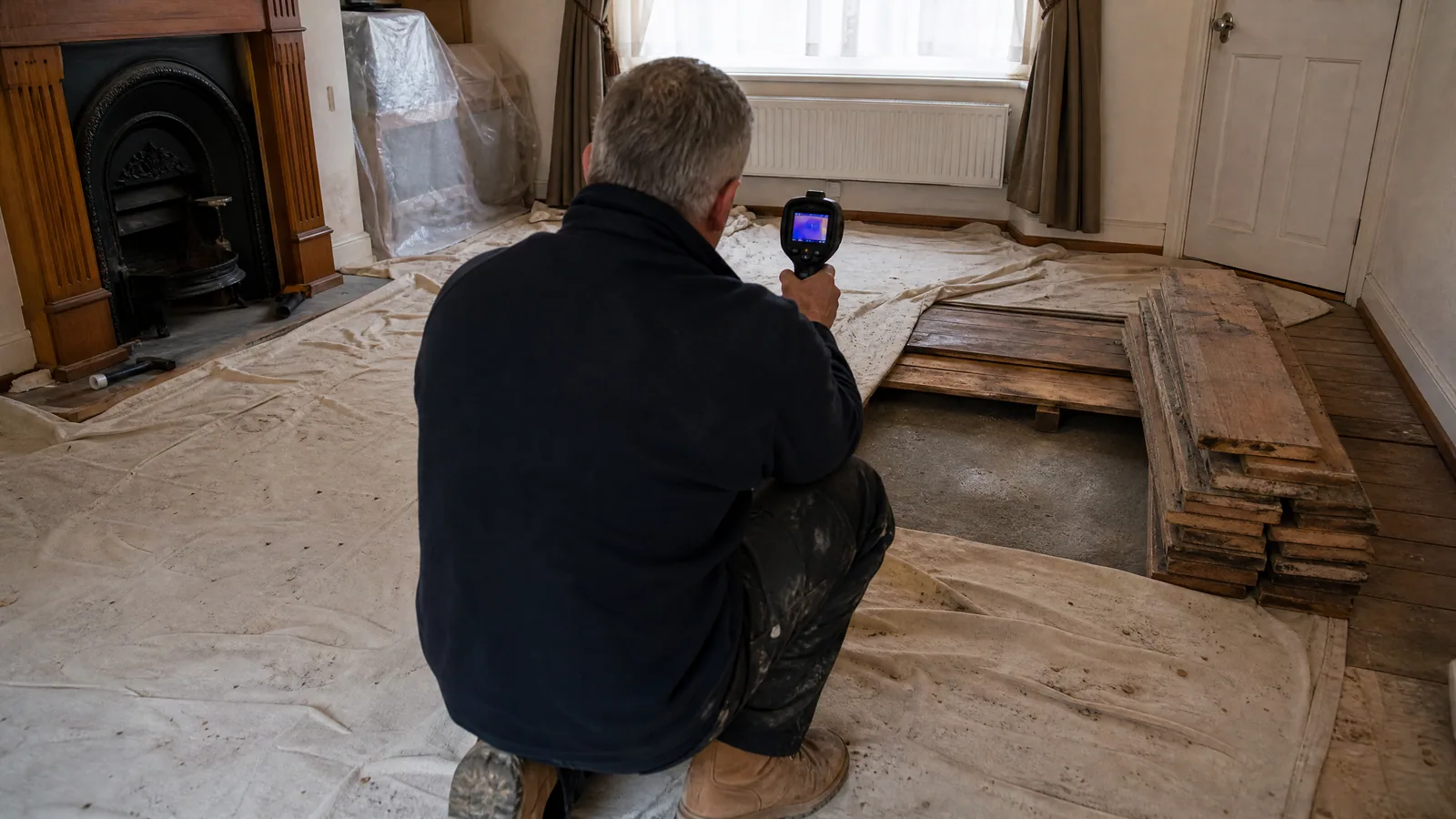
Non-invasive tracing uses the right tool for the pipe:
- meter and pressure tests to confirm there is a leak and which part of the system it is in;
- acoustic listening and leak noise correlation on pressurised pipes;
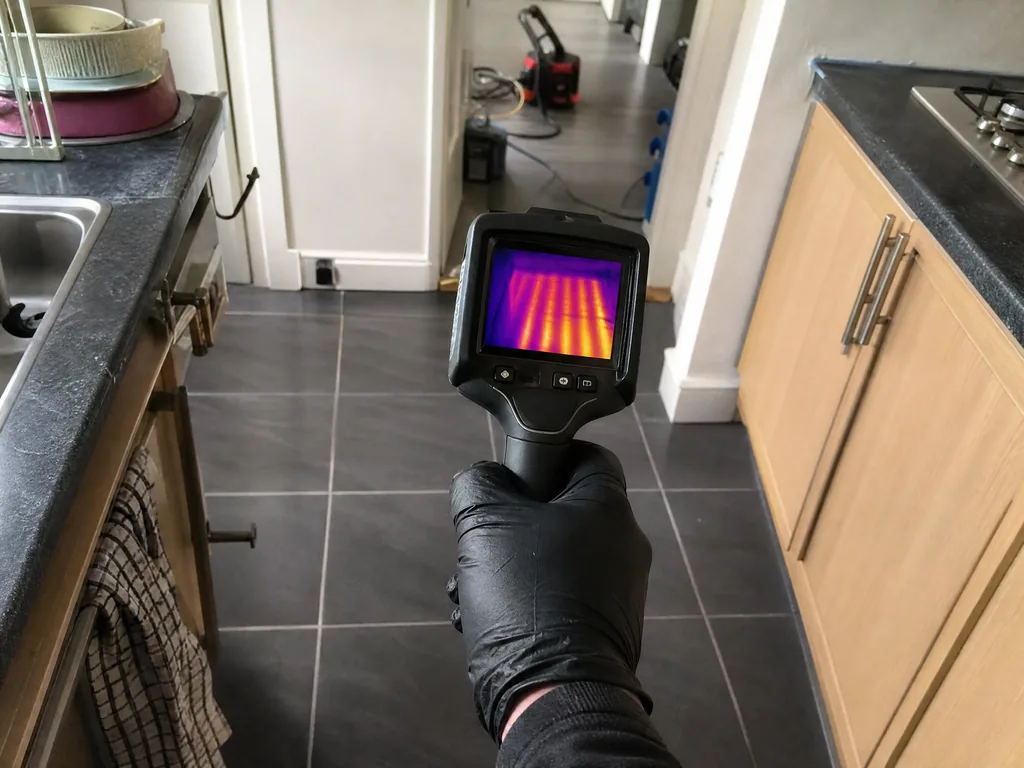
- thermal imaging for hot water and central heating pipes, where the warm pipe shows up through a floor or wall;
- tracer gas, a non-flammable 5% hydrogen mix, for quiet leaks and pipes under solid floors and hard surfaces.
What your insurer needs
Insurers usually want the same things: where the leak was, what caused it, how it was found, and photos showing the damage before and after access. The written report covers all of them, along with the method used and the work needed to repair it.
Ring your insurer before booking. Most want the claim logged first, some set a limit for trace and access, and your excess applies. Book with the claim reference so the report goes to the right place.
Leaks outside the house
Trace and access work isn’t only indoors. A leak on the underground supply pipe or under a concrete floor is traced the same way. If the leak turns out to be on Severn Trent‘s side of the boundary, it isn’t yours or your insurer’s to pay for, and you can report it free on 0800 783 4444.
What's included
- Claim reference and insurer contact taken at booking
- Photos of the damage before any work
- Non-invasive tracing: meter, pressure, acoustic, thermal, gas
- Leak position marked and photographed
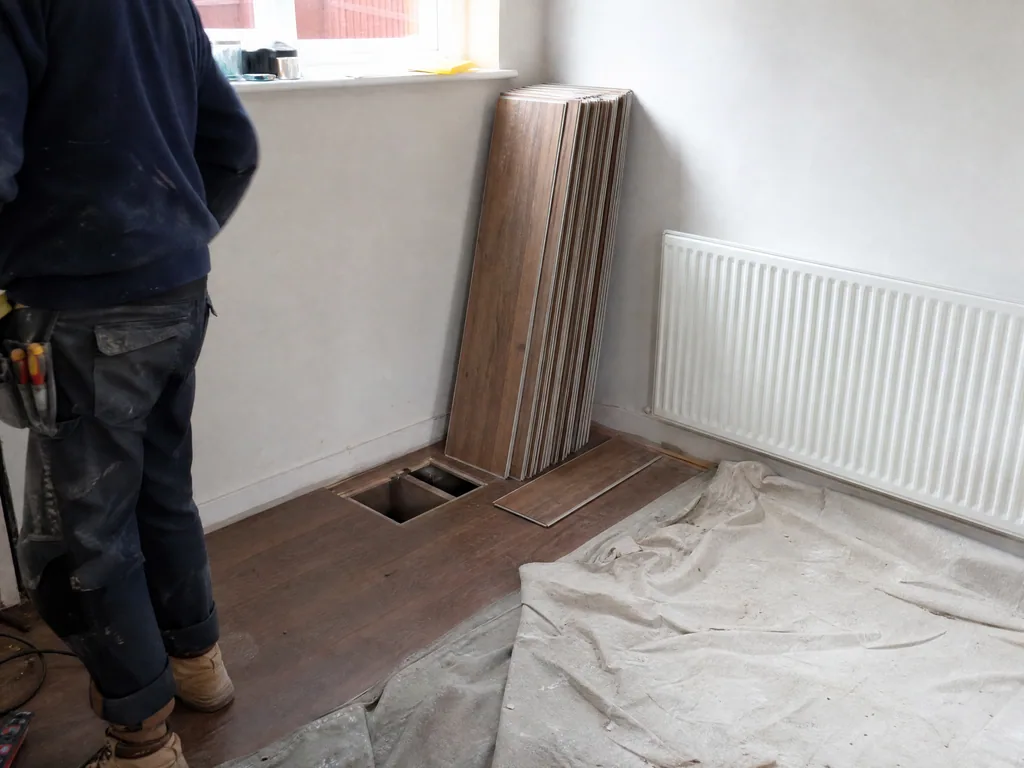
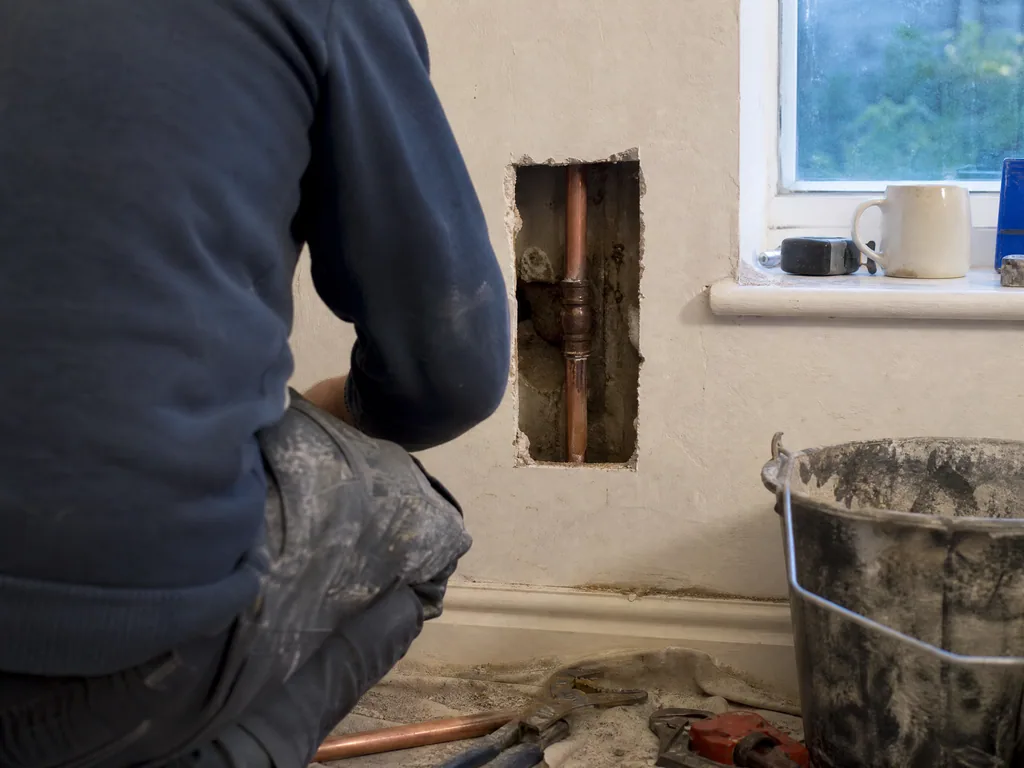
- Access opened only where the leak is
- Cause of the leak recorded
- Written report with method, findings and photos
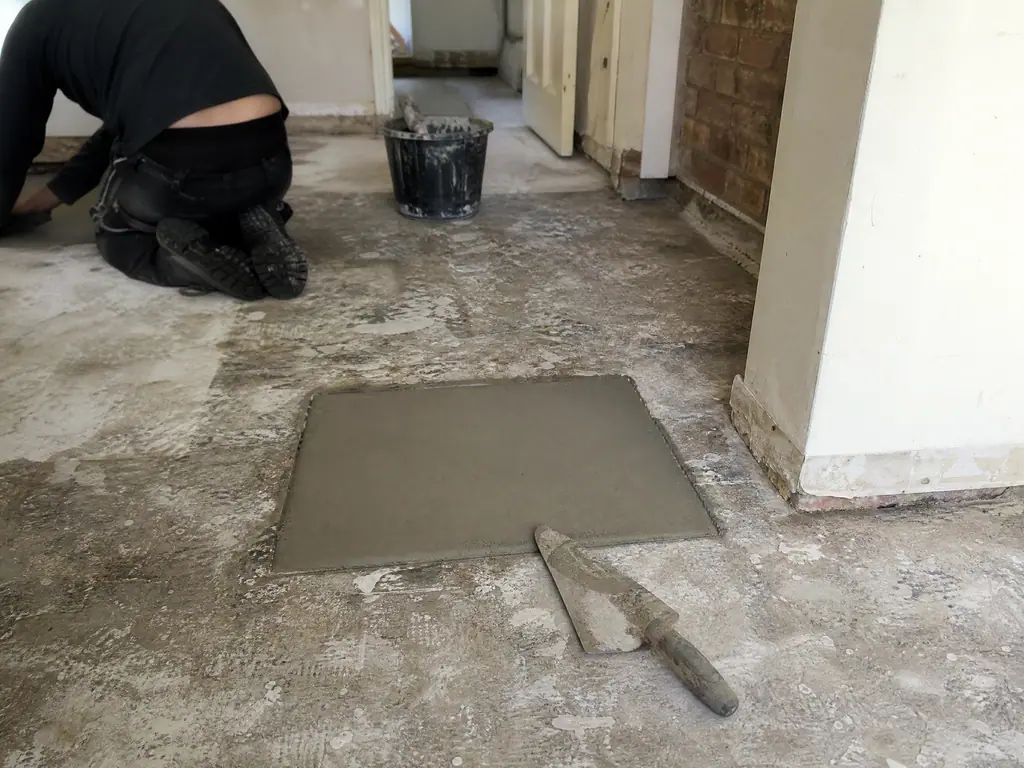
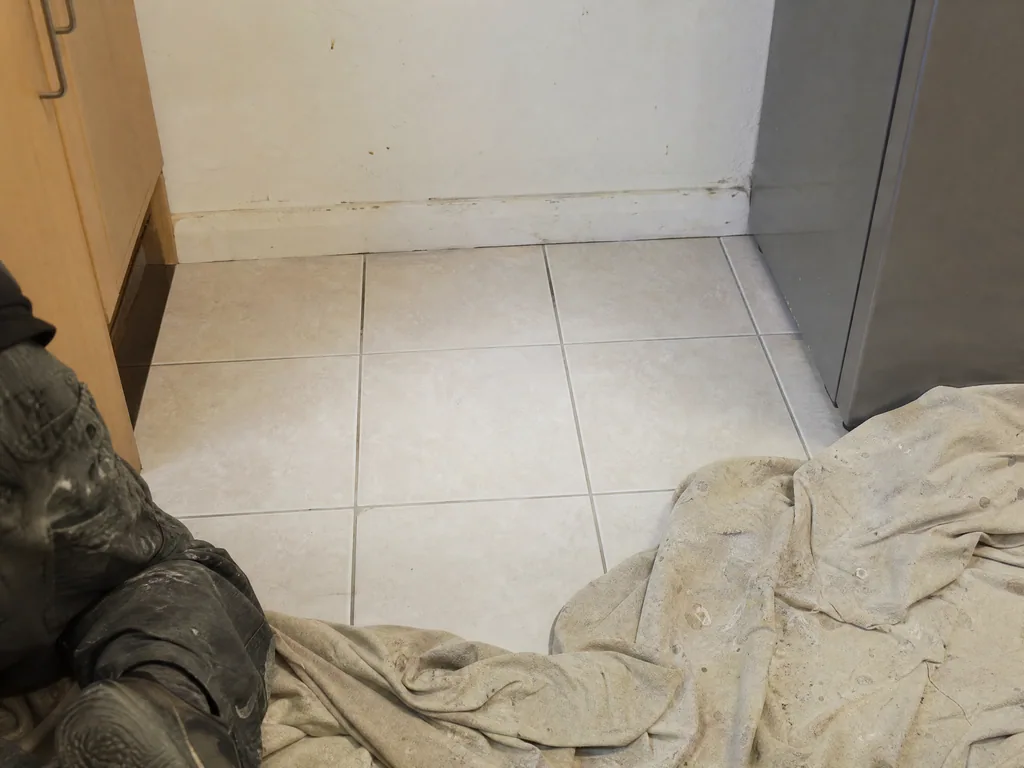
- Access made good or left ready for the insurer's repairer
How the options compare
Finding the leak
- Do it yourself
- Guesswork
- Dig-and-hope operator
- Opening up walls and floors to look
- Proper leak detection
- Traced from the surface first
Damage caused
- Do it yourself
- Unpredictable
- Dig-and-hope operator
- Often more than the leak did
- Proper leak detection
- One opening over the marked spot
Evidence for the insurer
- Do it yourself
- None
- Dig-and-hope operator
- An invoice
- Proper leak detection
- Report with method, cause and photos
Making good
- Do it yourself
- Your problem
- Dig-and-hope operator
- Sometimes left open
- Proper leak detection
- Agreed at the start