Last updated:
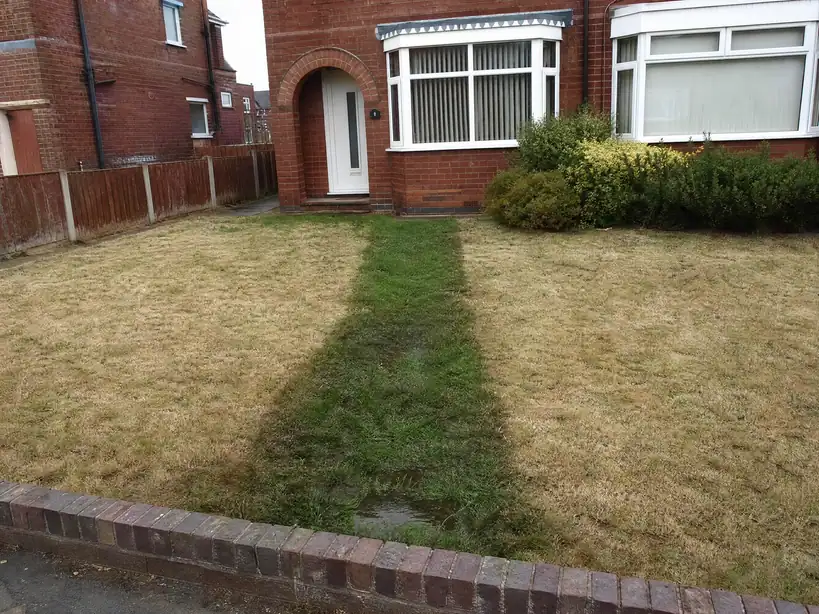
A water meter leak usually shows up as a bill that has doubled or tripled, or a meter that keeps turning when nothing in the house is running. The meter itself is rarely the problem. More often, water is escaping between the meter and the house on the buried supply pipe, or inside the house through a toilet that never stops filling.
The meter test you can do now
Severn Trent publishes a simple flow test:
- Turn off every tap and make sure nothing that uses water is running, including the washing machine, dishwasher and outside taps.
- Read the meter and write down the exact figures.
- Use no water for at least three hours.
- Read the meter again. If it has gone up, you may have a leak.
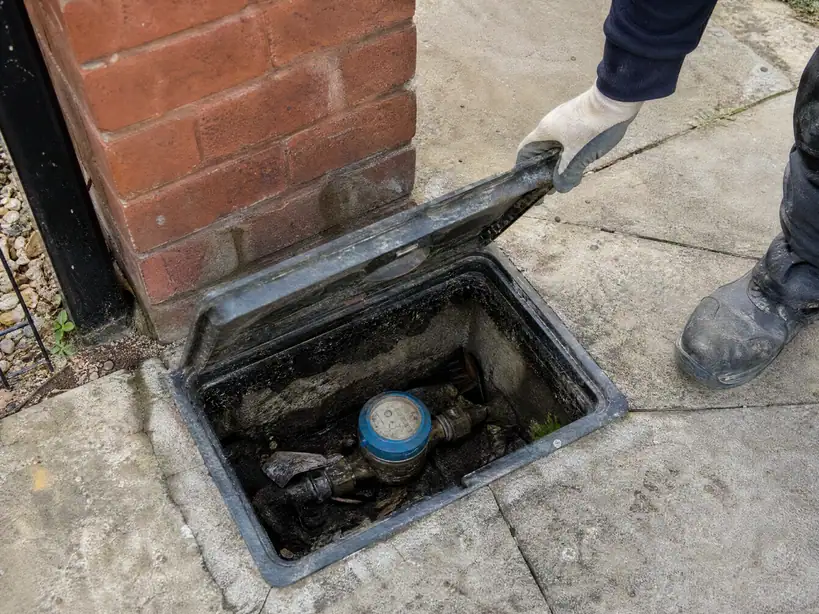
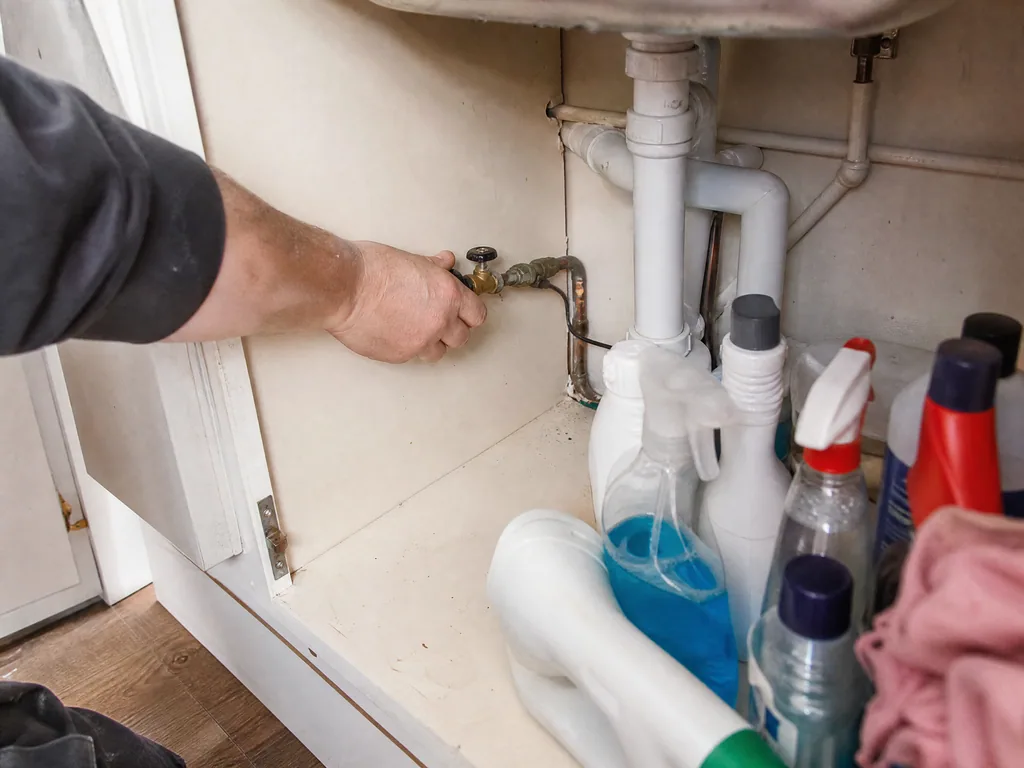
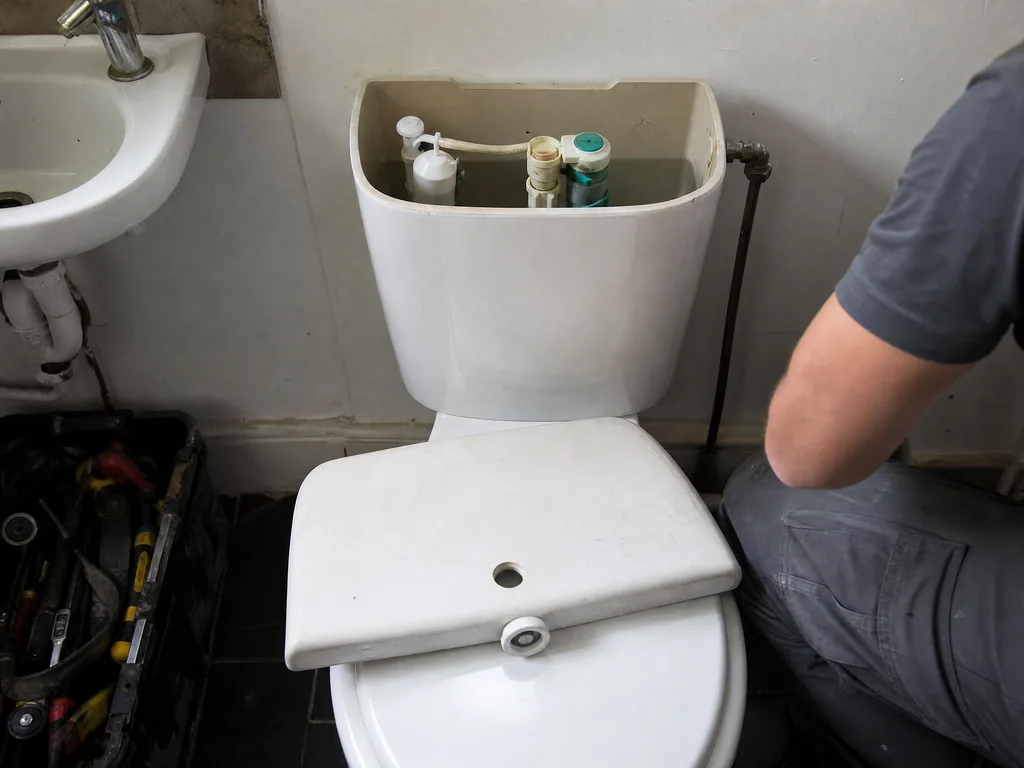
To tell inside from outside, close the internal stop tap, usually under the kitchen sink, and watch the meter for a few minutes. If it still moves, the water is escaping on the supply pipe between the meter and the house. If it stops, look inside first. A toilet cistern that trickles into the pan is a common culprit.
Whose side is the leak on?
Severn Trent owns the water main, the communication pipe, the boundary stop tap and the meter. The supply pipe from the boundary to your house is yours, even where it crosses someone else’s land.
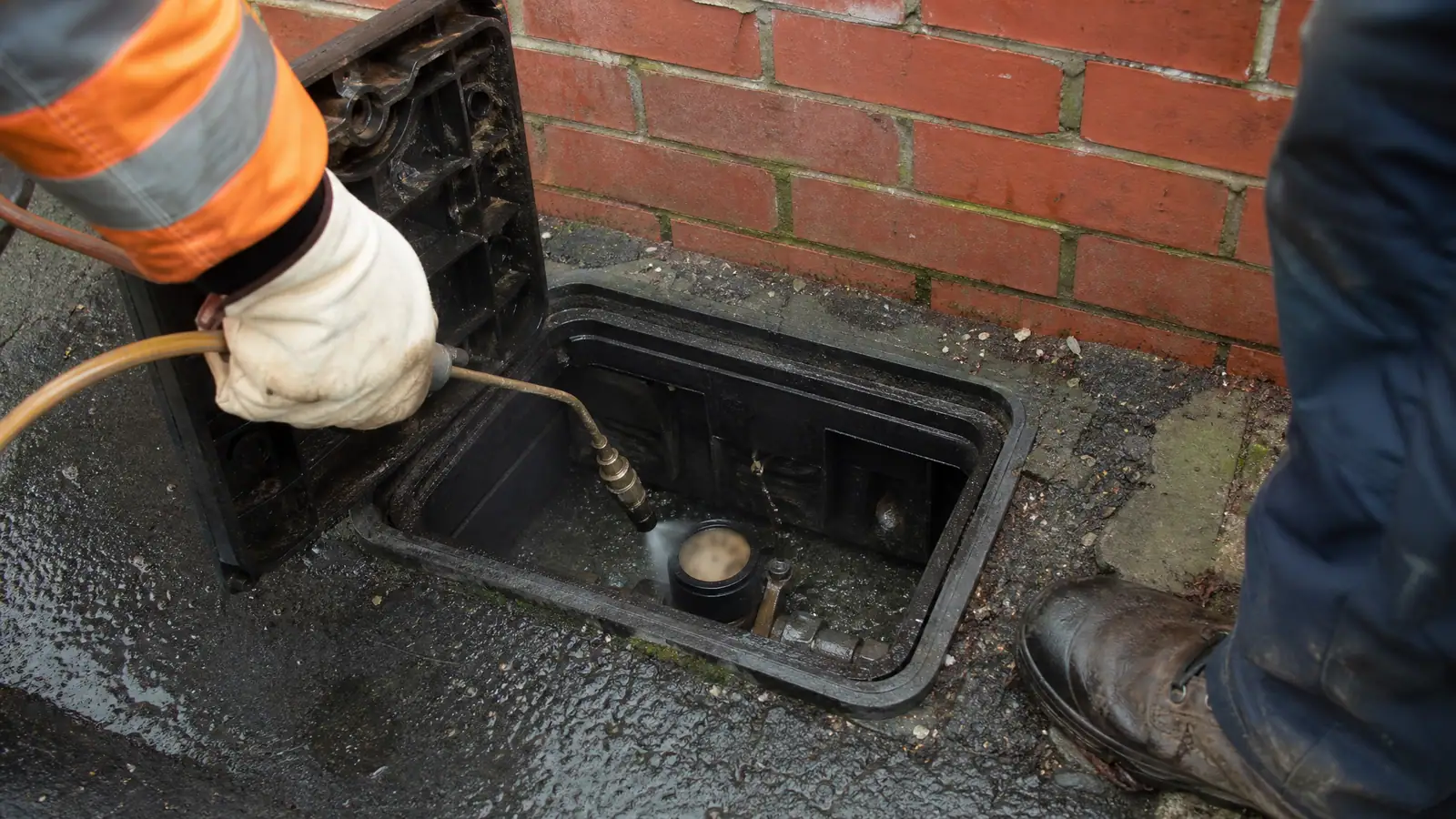
So a leak on the meter or in the boundary box around it is Severn Trent‘s to fix, and you can report it free on 0800 783 4444. A leak on the house side of the meter is yours. That is the one we locate, using acoustic listening or tracer gas once the route is traced, as described under underground water leak detection.
Faulty meter or real leak?
People often suspect the meter, but the evidence rarely backs it up. Severn Trent says its test records in recent years show no meters failing by over-recording; meters that fail tend to under-record. An independent meter test typically costs £70 plus VAT, and you only pay if the meter turns out to be accurate. Running the flow test first, or having the leak located, is usually cheaper. Water leak or faulty meter goes through the evidence.
Getting the money back
Once the leak is fixed, Severn Trent offers a one-off leakage allowance once the leak is repaired, covering up to 12 months or two bills based on actual meter readings. The report shows where the leak was and the repair invoice proves it was fixed. If Severn Trent has already written to you about the leak, see private leakage notices for the deadline that may apply.
What's included
- Meter reading and flow test
- Internal stop tap isolation test
- Check of toilets, taps and appliances for internal leaks
- Check of the meter and boundary box for visible leaks
- Supply pipe route traced
- Leak located on the supply pipe if it is there
- Written report you can send to Severn Trent
- Advice on the leakage allowance and any meter test
How the options compare
First step
- Do it yourself
- Ring the water company and wait
- Dig-and-hope operator
- Replace the stop tap
- Proper leak detection
- Flow and isolation tests to find which side the loss is on
If it is a toilet or tap
- Do it yourself
- Missed
- Dig-and-hope operator
- Missed
- Proper leak detection
- Found in the first hour
If it is the supply pipe
- Do it yourself
- Unknown
- Dig-and-hope operator
- Trial holes
- Proper leak detection
- Located and marked
Paperwork
- Do it yourself
- None
- Dig-and-hope operator
- An invoice
- Proper leak detection
- Report for the leakage allowance